Tractor Tire Size Guide: A Comprehensive Overview (Updated 02/27/2026)
Navigating tractor tires requires understanding size markings, conversions, and crucial ratios for optimal performance. This guide details front and rear tire sizes,
diameter relationships, and construction types for informed decisions.
Understanding Tractor Tire Markings
Tractor tire markings are a coded language revealing vital information about the tire’s dimensions and capabilities. These markings aren’t random; they follow standardized systems, primarily Euro-Metric and P-Metric, though older systems exist. A typical marking includes width, aspect ratio, construction type, and rim diameter. For instance, a marking like “18.4R38” indicates a tire with a section width of 18.4 inches, a radial construction (R), and designed for a 38-inch rim diameter.
Decoding these markings is crucial for selecting the correct replacement tires or understanding the capabilities of existing ones. The section width impacts flotation and traction, while the aspect ratio influences ride comfort and sidewall strength. Recognizing these elements allows for informed decisions regarding tire performance and compatibility with your tractor and agricultural needs. Always consult manufacturer specifications for precise interpretations.
Decoding Euro-Metric Tire Sizes
Euro-Metric sizing is the most common system for modern agricultural tires, offering a precise way to understand tire dimensions. A typical Euro-Metric size, such as 650/65R38, breaks down as follows: 650 represents the tire’s section width in millimeters, while 65 indicates the aspect ratio – the sidewall height as a percentage of the section width. ‘R’ denotes radial construction, and 38 signifies the rim diameter in inches.
This system provides a clear understanding of the tire’s overall size and shape. Higher aspect ratios mean taller sidewalls, offering more cushioning and better traction in soft fields. Conversely, lower aspect ratios provide greater stability for road transport. Understanding these components is vital when comparing tires and ensuring compatibility with your tractor’s rims and application requirements. Accurate decoding prevents mismatched sizes and ensures optimal performance.
Interpreting P-Metric Tire Sizes
P-Metric sizing, while less prevalent on large agricultural tractors, is occasionally encountered, particularly on utility or smaller farm vehicles. Unlike Euro-Metric, P-Metric sizes indicate tire width in inches, rather than millimeters. A designation like 225/75R16 signifies a tire with a section width of 225 inches, a 75% aspect ratio (sidewall height relative to width), radial construction (‘R’), and a 16-inch rim diameter.
It’s crucial not to directly compare P-Metric and Euro-Metric sizes without conversion. The inch-based width in P-Metric requires conversion to millimeters for accurate comparison with Euro-Metric section widths. P-Metric tires generally prioritize on-road performance, offering a smoother ride and better handling on hard surfaces. However, they may lack the robust construction and aggressive tread patterns needed for demanding agricultural tasks.
Tire Size Conversion Charts
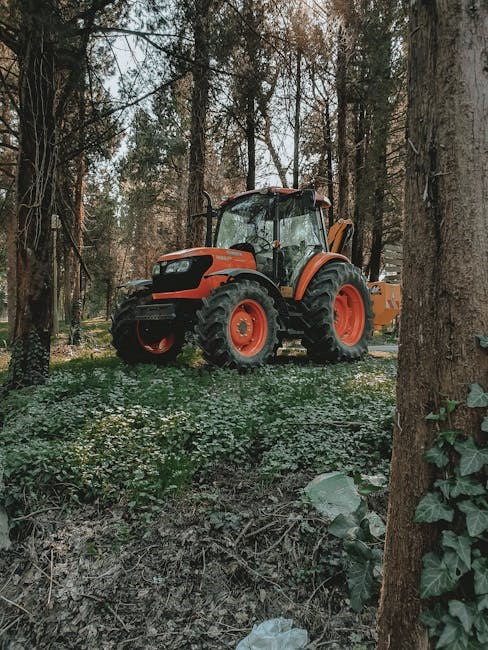
Accurate tire size conversion is paramount when considering replacements or alternative options for your tractor. Charts facilitate transitions between Euro-Metric, P-Metric, and even older, less standardized sizing systems. These charts detail equivalent sizes, considering overall diameter, section width, and rim compatibility. A comprehensive chart will showcase conversions like 16.9-28 to its approximate 18.4-28 equivalent, aiding in maintaining proper tractor geometry.
Crucially, charts also provide approximate tire circumferences in both millimeters and inches, vital for calculating speed and distance traveled. Remember that conversions are rarely exact; slight diameter variations can impact tractor performance. Always consult manufacturer specifications and consider the specific application when selecting a replacement tire, utilizing charts as a starting point for informed decision-making.
Agricultural Tire RCI (Row Crop Index) Charts
Row Crop Index (RCI) charts are indispensable for farmers prioritizing minimal crop damage during field operations. These charts correlate tire size with the narrowest row width a tractor can navigate without impacting plants. RCI values are determined by nominal section width and tire diameter, providing a quantifiable measure of row crop friendliness.
Charts typically display RCI values alongside corresponding front and rear tire sizes, such as those ranging from 18″ to 32″ front and 16″ to 32″ rear. Higher RCI values indicate a narrower tire profile, reducing the risk of plant damage. Understanding RCI is crucial when selecting tires for row crops like corn, soybeans, or cotton, ensuring efficient harvesting and minimizing yield loss. Consider both RCI and SRI (Section Width Ratio Index) for a complete assessment.
Agricultural Tire SRI (Section Width Ratio Index) Charts
The Section Width Ratio Index (SRI) charts provide vital data for understanding tire dimensions and their impact on soil compaction and flotation. SRI represents the ratio of the tire’s actual section width to its overall diameter, influencing the tire’s profile and ground contact area.
SRI charts typically list values alongside tire sizes, like those found in Maxam AG Tire’s conversion tables, detailing AgriXtra 85, 70, and 65 series. A lower SRI indicates a wider tire relative to its diameter, enhancing flotation and reducing soil pressure – beneficial in soft or wet fields. Conversely, a higher SRI suggests a narrower tire, potentially increasing traction on harder surfaces. Utilizing SRI charts alongside RCI charts allows for a comprehensive tire selection process, optimizing performance for specific agricultural applications and soil conditions.
Factors Influencing Tractor Tire Size Selection
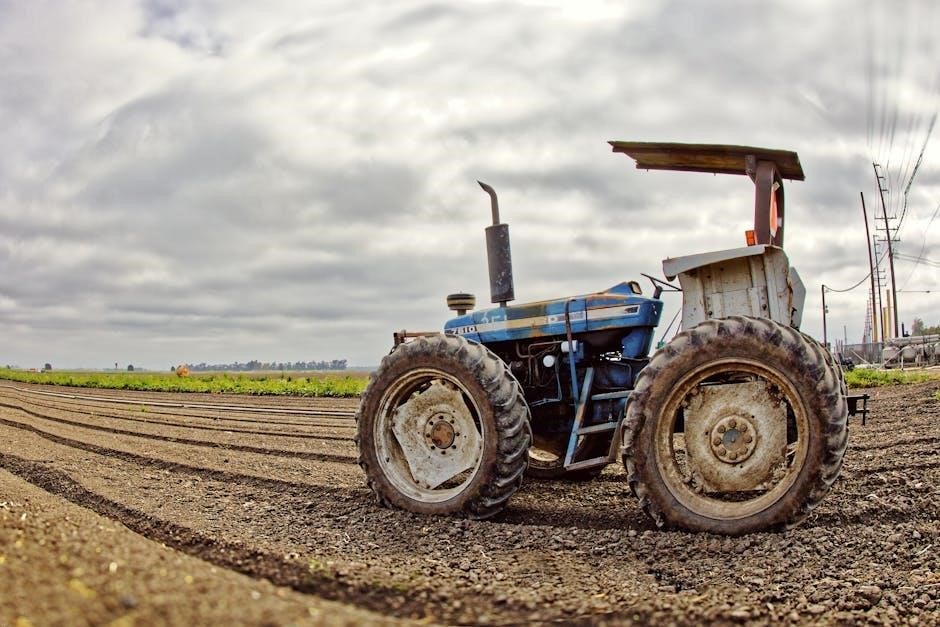
Selecting the correct tire size hinges on tractor type, soil conditions, row crop needs, and weight distribution. Careful consideration ensures optimal efficiency and performance.
Tractor Type and Application
The ideal tire size is intrinsically linked to the tractor’s intended use. Compact tractors used for landscaping or light duties require different tires than large agricultural machines handling heavy implements. Row crop tractors demand specific sizes to navigate between rows without damaging crops, prioritizing narrow profiles and adjustable widths.
Conversely, tractors primarily used for heavy pulling or fieldwork benefit from wider tires for increased traction and flotation. Consider whether the tractor will be used for road transport; higher speed applications may necessitate tires designed for paved surfaces. Furthermore, the type of implements frequently used – plows, planters, sprayers – significantly influences the required load capacity and tire configuration. Matching the tire to the application maximizes efficiency, minimizes soil compaction, and extends tire lifespan.
Soil Conditions and Terrain
Soil type dramatically impacts tractor tire selection. Loamy soils offer good traction, allowing for standard tire configurations. However, sandy or soft soils require wider tires with lower inflation pressures to maximize flotation and prevent sinking – crucial for minimizing compaction. Clay soils, prone to becoming slick when wet, benefit from tires with aggressive tread patterns for enhanced grip.
Terrain also plays a vital role. Hilly or uneven ground necessitates tires with robust sidewalls and a stable footprint. For predominantly dry conditions, tires designed for durability and reduced rolling resistance are preferable. Conversely, consistently wet fields demand tires optimized for water evacuation and minimizing rutting. Assessing the prevailing soil conditions and terrain is paramount for choosing tires that deliver optimal performance and protect the land.
Row Crop Requirements & Minimum Row Width
For row crop applications, tire size directly impacts planting and harvesting efficiency. Maintaining adequate clearance between tires and plant rows is essential to avoid damage. The Row Crop Index (RCI) charts are vital for determining suitable tire combinations based on row spacing.
Minimum row width dictates the maximum allowable tire size. For example, a tractor operating in 30-inch rows requires tires with a corresponding RCI value. Front tire sizes of 18, 20, 22, 24, 26, 28, and 32 inches, paired with rear tires of 16, 18, 20, 22, 26, 30, and 32 inches, must be carefully considered. Selecting tires that are too wide can lead to crop damage, while tires that are too narrow may compromise stability and traction. Precise matching is key for optimal row crop performance.
Load Capacity and Weight Distribution
Tractor tire size significantly influences load capacity and weight distribution, crucial for both performance and safety. Larger tires generally offer a higher load-carrying capacity, preventing premature tire failure and ensuring stable operation under heavy loads.
Proper weight distribution is paramount, particularly with implements. An uneven distribution can lead to soil compaction, reduced traction, and increased stress on the tractor’s components. Tire size selection must account for the tractor’s weight, the weight of attached implements, and the anticipated load conditions. Consider the Section Width Ratio Index (SRI) alongside load ratings. Maintaining appropriate inflation pressures is also vital for maximizing load capacity and achieving optimal weight distribution across all tires, enhancing overall efficiency and longevity.
Common Tractor Tire Sizes and Their Applications
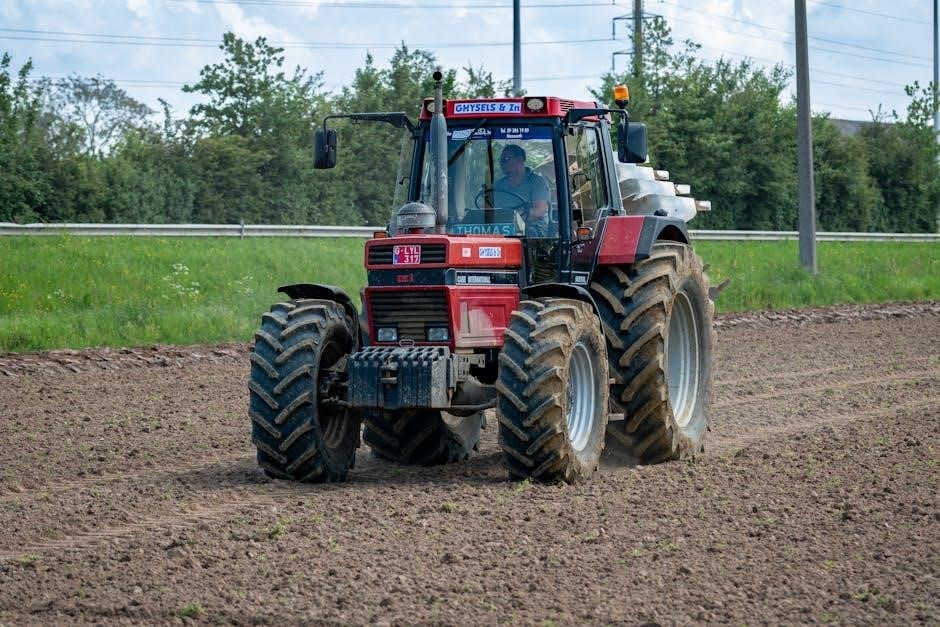
Various tire sizes cater to diverse tractor needs; 18″ to 32″ front tires and 16″ to 32″ rear tires are typical, influencing traction and maneuverability.
Front Tire Sizes: 18″, 20″, 22″, 24″, 26″, 28″, 32″
Selecting the appropriate front tire size is crucial for steering responsiveness and overall tractor handling. Smaller 18″ and 20″ tires are often found on compact tractors, providing nimble control for tasks like landscaping and light material handling. As tractor power increases, so does the need for larger front tires. 24″, 26″, and 28″ sizes offer improved stability and the ability to handle heavier loads, commonly seen on row crop and utility tractors.
The largest 32″ front tires are typically reserved for high-horsepower tractors used in demanding applications like heavy tillage or large-scale planting. Consider the tractor’s weight, intended use, and the terrain when choosing a front tire size. Maintaining a proper diameter ratio between front and rear tires is essential for accurate operation and preventing drivetrain stress – a mismatch can lead to steering issues and reduced efficiency.
Rear Tire Sizes: 16″, 18″, 20″, 22″, 26″, 30″, 32″
Rear tires are the primary drivers of traction and power transfer in a tractor, making size selection paramount. 16″ and 18″ tires are common on smaller tractors suited for lighter duties like mowing or garden work. Stepping up to 20″ and 22″ provides increased traction for general farming tasks and light tillage. Larger 26″ tires are frequently found on utility tractors, balancing traction with flotation for reduced soil compaction.
For high-demand applications like heavy tillage or large-scale planting, 30″ and 32″ rear tires are the standard. These larger sizes maximize the contact patch, delivering superior grip and minimizing slippage. Remember to consider load capacity and weight distribution when choosing rear tire size. Proper sizing ensures efficient power delivery and prevents premature tire wear, ultimately maximizing productivity and minimizing operational costs.
Popular Size Conversions: 16.9 to 18.4
The conversion from 16.9 to 18.4 inch tires represents a common upgrade for increased traction and flotation. This step-up often requires careful consideration of rim compatibility; squeezing larger tires onto narrower rims can lead to sidewall pinching and uneven tread wear. It’s generally feasible if the tractor currently utilizes 15-inch rims, allowing for some degree of stretch.
Before making this change, it’s crucial to verify that the front-to-rear tire diameter ratio remains within acceptable limits—typically a few percent difference. Dividing the rear tire diameter by the front tire diameter for both the new and old setups is essential. Consulting a dealer or mechanic ensures a safe and effective upgrade, maximizing performance without compromising tractor stability or functionality. Incorrect mounting can severely impact handling and tire longevity.
Tire Diameter Ratios: Front to Rear
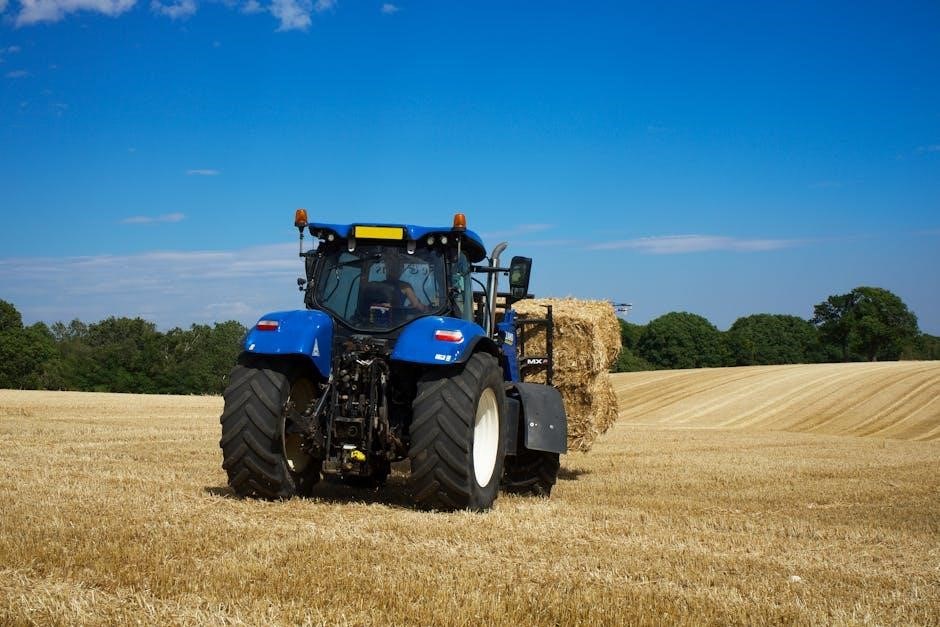
Maintaining consistent front-to-rear tire diameters is vital for accurate tractor operation and drivetrain health. Calculating differences ensures proper functionality and prevents undue stress.
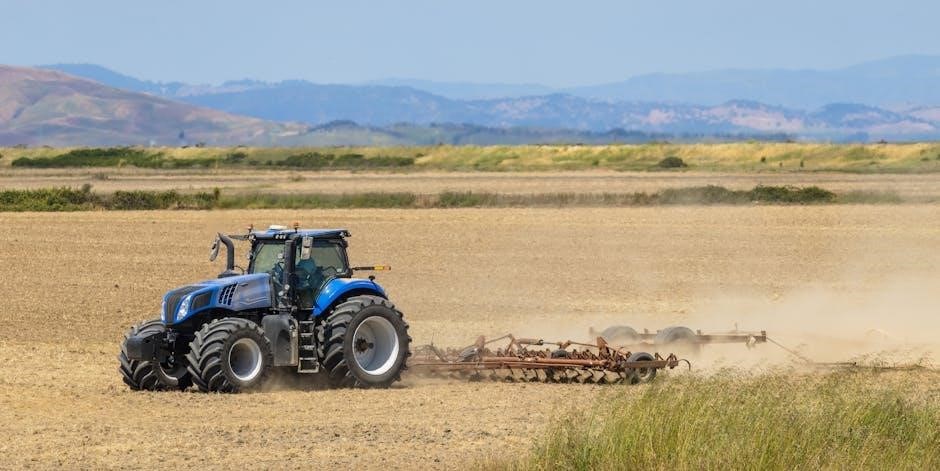
Maintaining Proper Diameter Ratios
Ensuring a compatible diameter ratio between front and rear tires is paramount for several reasons. A significant discrepancy can negatively impact the tractor’s steering, transmission, and overall mechanical integrity. Ideally, the ratio should remain within a few percentage points of the original specification.
When considering tire size changes, particularly widening tires (like moving from 16.9 to 18.4), it’s crucial to divide the rear tire diameter by the front tire diameter for both the existing and proposed tire sets. These results should be closely compared. Attempting to mount larger tires onto narrower rims is strongly discouraged, as it leads to sidewall pinching and uneven tread wear.
Consulting with a knowledgeable dealer or mechanic is highly recommended for detailed guidance. They can assess your specific tractor model and application to determine the optimal tire size and ratio for peak performance and longevity.
Calculating Diameter Differences
Accurately determining diameter differences between tires is essential before making any changes. Simply eyeballing it isn’t sufficient; precise calculations are needed to avoid operational issues. Tire size charts, readily available from manufacturers and dealers, provide nominal overall diameters (OD) for various sizes in both inches and millimeters.
To calculate the percentage difference, subtract the original tire’s OD from the new tire’s OD, then divide the result by the original tire’s OD. Multiply by 100 to express the difference as a percentage. A small percentage difference – ideally under 3-4% – indicates compatibility. Larger differences can strain the drivetrain.
Remember that nominal diameters are approximations. Actual diameters can vary slightly due to manufacturing tolerances and inflation pressure. Always prioritize maintaining a consistent front-to-rear diameter ratio for optimal tractor function and safety.

Tire Construction and Design
Tractor tires utilize radial or bias-ply construction, with options for tubed or tubeless designs. Tread patterns—wide traction or flotation—impact performance significantly.
Radial vs. Bias-Ply Tires

Radial tires feature a casing with cords running radially across the tire, and belts running circumferentially. This construction delivers a smoother ride, improved traction, reduced rolling resistance (enhancing fuel efficiency), and less soil compaction compared to bias-ply tires. They generally offer a longer lifespan and better load-carrying capacity.
Bias-ply tires, conversely, have casing cords running diagonally across the tire, in layers. While typically less expensive upfront, they provide a stiffer ride, generate more heat, and exhibit higher rolling resistance. Bias-ply tires are more prone to sidewall sway and may not offer the same level of traction or fuel economy as radial options. However, they can be more resistant to punctures in certain applications.
The choice between radial and bias-ply depends on the specific tractor application, budget, and operating conditions. Modern tractors increasingly favor radial tires for their performance advantages.
Tubed vs. Tubeless Tires
Tubed tires utilize a separate inner tube to hold air pressure, positioned inside the tire casing. This traditional system is generally more affordable initially and can be easier to repair in the field with a patch kit. However, tube failures can lead to rapid air loss, and the tube itself can be susceptible to pinching or damage.
Tubeless tires, as the name suggests, do not require an inner tube. They rely on a tight seal between the tire bead and the rim to maintain air pressure. Tubeless tires offer several advantages, including improved puncture resistance (many small punctures self-seal), reduced weight, and lower heat buildup. They also allow for lower inflation pressures, enhancing traction and reducing soil compaction.
Modern tractors are increasingly equipped with tubeless tires due to their performance and reliability benefits; Proper rim preparation and valve stem maintenance are crucial for successful tubeless operation.
Tread Design Considerations (Wide Traction, Flotation)
Tread design significantly impacts a tractor’s performance, dictated by the intended application. Wide traction tires feature aggressive lug patterns – deep, widely spaced lugs – maximizing grip in fields and challenging terrains. These are ideal for heavy pulling and tasks requiring substantial power transfer to the ground.
Flotation tires, conversely, prioritize minimizing soil compaction. They possess a larger footprint due to a wider tire and often a lower inflation pressure. The tread pattern typically consists of shallower, closely spaced lugs, distributing the tractor’s weight over a broader area. This is crucial for preserving soil structure and reducing damage during field operations.
Consider the primary use of the tractor when selecting a tread design. Some tires offer a compromise between traction and flotation, while specialized options cater to specific needs like row crop cultivation.
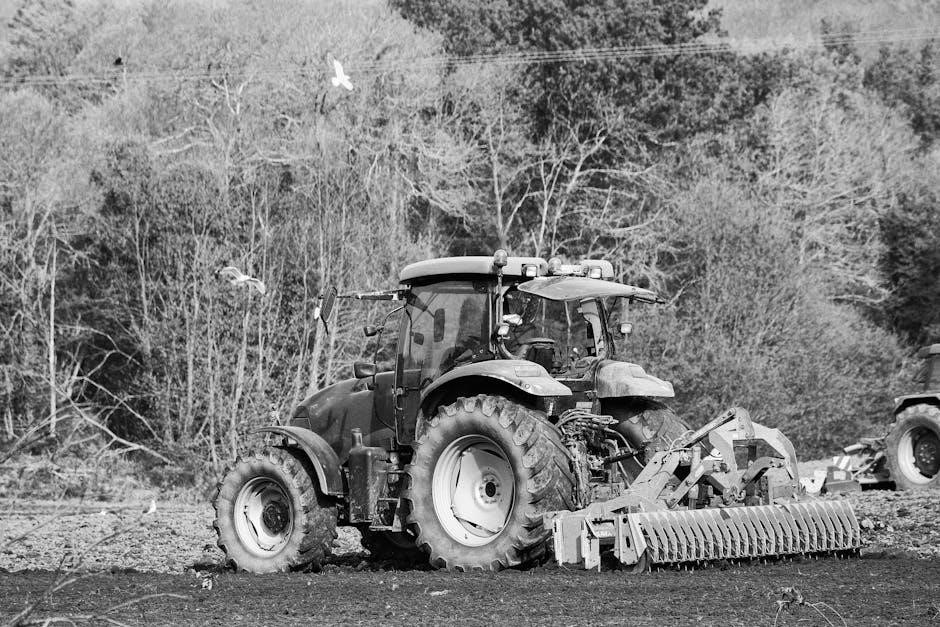
Rim Compatibility and Tire Mounting
Proper rim width is essential for safe and effective tire mounting. Incorrectly sized rims can cause sidewall pinching, tread crowning, and potential mounting failures.
Ensuring Proper Rim Width
Selecting the correct rim width is paramount for tractor tire performance and safety. A rim that’s too narrow will severely pinch the tire’s sidewalls, leading to instability, uneven wear, and potential blowouts. Conversely, a rim that’s too wide doesn’t provide adequate support, causing the tire to roll excessively and compromise handling.
Consult tire manufacturer specifications and rim width charts to determine the appropriate match for your chosen tire size. These charts detail the recommended rim width range for each tire. Always prioritize staying within this specified range. Attempting to mount a wider tire, like moving from 16.9 to 18.4, onto a narrower rim is generally not advisable and can create dangerous conditions.
Carefully inspect the rim’s markings to confirm its width. If unsure, consult with a qualified tire dealer or mechanic for expert guidance. Proper rim width ensures optimal tire bead seating, load distribution, and overall tractor stability.
Potential Issues with Incorrect Mounting
Improper tractor tire mounting introduces a cascade of potential problems, significantly impacting both performance and safety. Forcing a tire onto an incompatible rim – such as attempting to fit 18.4 tires onto rims designed for 16.9 – results in severe sidewall pinching and crown-like tread deformation. This compromises the tire’s structural integrity.
Incorrect mounting leads to uneven wear patterns, reduced traction, and diminished load-carrying capacity. The tire’s intended profile is distorted, affecting handling and stability, particularly during field operations. Furthermore, it dramatically increases the risk of tire failure, including blowouts, potentially causing accidents and costly downtime.
Even if initially successful, a poorly mounted tire experiences increased stress, accelerating degradation. Always adhere to manufacturer recommendations and utilize qualified technicians for mounting to avoid these hazardous and expensive consequences. Prioritize safety and longevity through correct installation.
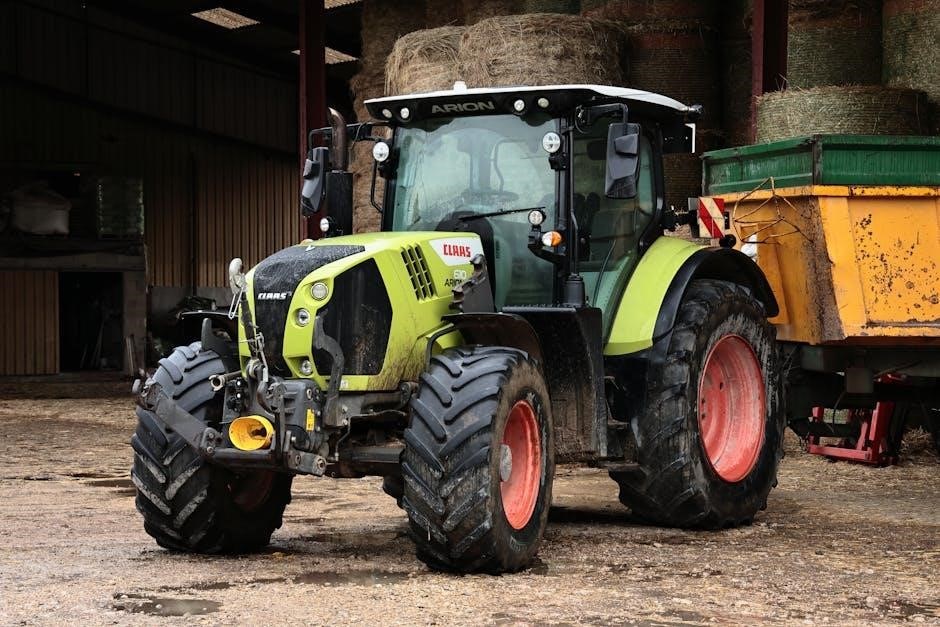
Tire Circumference and Rolling Resistance
Tire circumference, measured in millimeters and inches, directly impacts rolling resistance and fuel efficiency. Larger tires cover more ground per revolution, influencing tractor performance.
Tire Circumference Charts (mm & inches)
Understanding tire circumference is vital for accurate speed calibration and distance calculations. This chart provides approximate circumference values for common tractor tire sizes, expressed in both millimeters (mm) and inches. Note that actual circumference can vary slightly based on tire manufacturer, tread design, and inflation pressure.
Below is a sample illustrating how circumference relates to tire size. Keep in mind these are approximations. For precise measurements, consult the tire manufacturer’s specifications. A larger outer diameter directly correlates to a greater circumference. Accurate circumference data is also crucial when integrating precision farming technologies, ensuring correct application rates and field mapping.
| Tire Size | Approx. Circumference (mm) | Approx. Circumference (inches) |
|---|---|---|
| 16.9×28 | 4250 | 167.3 |
| 18.4×30 | 4650 | 183.1 |
| 20.8×38 | 5230 | 205.9 |
Impact of Tire Size on Fuel Efficiency
Tractor tire size significantly influences fuel consumption due to rolling resistance and power transfer efficiency. Larger tires, particularly those with flotation designs, generally reduce rolling resistance on soft surfaces, potentially improving fuel economy in those conditions. However, increased tire diameter can also necessitate more engine power to maintain speed, offsetting some gains.
Conversely, smaller tires may exhibit higher rolling resistance on certain terrains, leading to increased fuel usage. Proper inflation is critical; underinflated tires dramatically increase rolling resistance. Selecting the optimal tire size involves balancing load capacity, traction needs, and the specific field conditions. Consider that wider tires distribute weight better, reducing compaction and potentially lowering long-term fuel costs by minimizing soil disturbance.
Related Posts

free mblex study guide pdf
The MBLEx exam is the standard for licensing massage therapists…

harley sportster buyers guide
The Harley-Davidson Sportster, introduced in 1957, is an iconic motorcycle…