The Greater Key of Solomon PDF offers a concise gateway to the medieval grimoire, inviting scholars and enthusiasts to explore its rituals, sigils, and historical layers․ This introduction outlines the document’s purpose, scope, and relevance for modern study․ Its PDF format ensures accessibility․!!
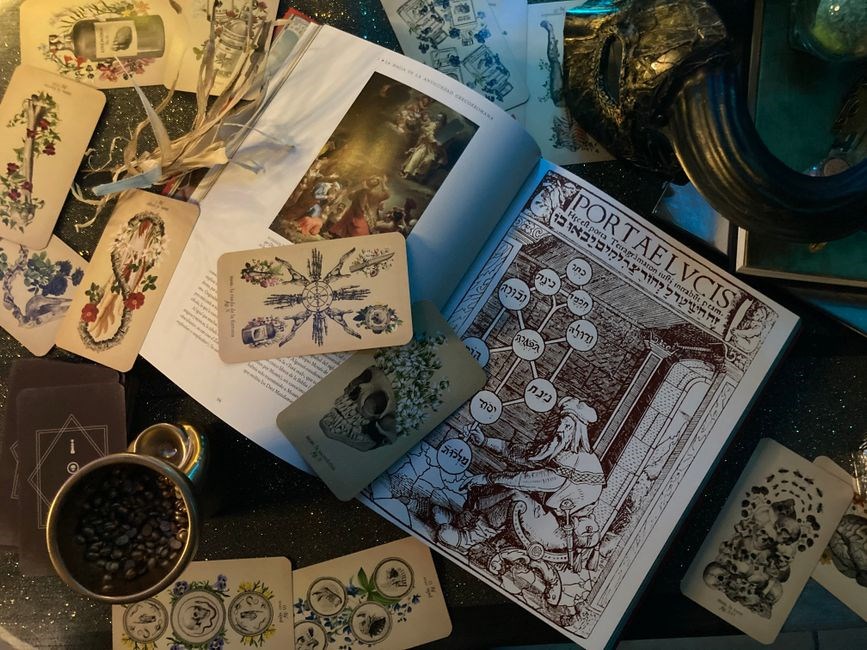
Purpose and Scope of the Article
The article examines the Greater Key of Solomon PDF, focusing on its historical significance, textual structure, and modern accessibility․ It aims to clarify the document’s origins, outline its core rituals and symbols, and assess the legal status of digital copies․ By providing a concise overview, the piece serves scholars, students, and curious readers seeking a reliable reference․ The scope includes a brief survey of the text’s layout, an analysis of key passages, and guidance on responsible use․ Additionally, it highlights reputable publishers and reputable online libraries that offer free or licensed PDFs, ensuring readers can locate authentic versions․ The discussion also addresses copyright considerations, offering practical advice on compliance and ethical handling․ Overall, the article intends to be a comprehensive, user‑friendly resource that demystifies the Greater Key of Solomon while respecting intellectual property rights․The PDF format preserves the original layout, enabling precise reference to page numbers and marginal notes․ Scholars can annotate directly, while educators can share excerpts without altering the source․ The article also highlights tools for converting the PDF into accessible formats, ensuring compliance with accessibility standards for readers with visual impairments․Readers interested in scholarly critique may consult annotated editions that cross‑reference the original Latin text with modern translations, facilitating deeper comparative analysis․ for research data․

Historical Context
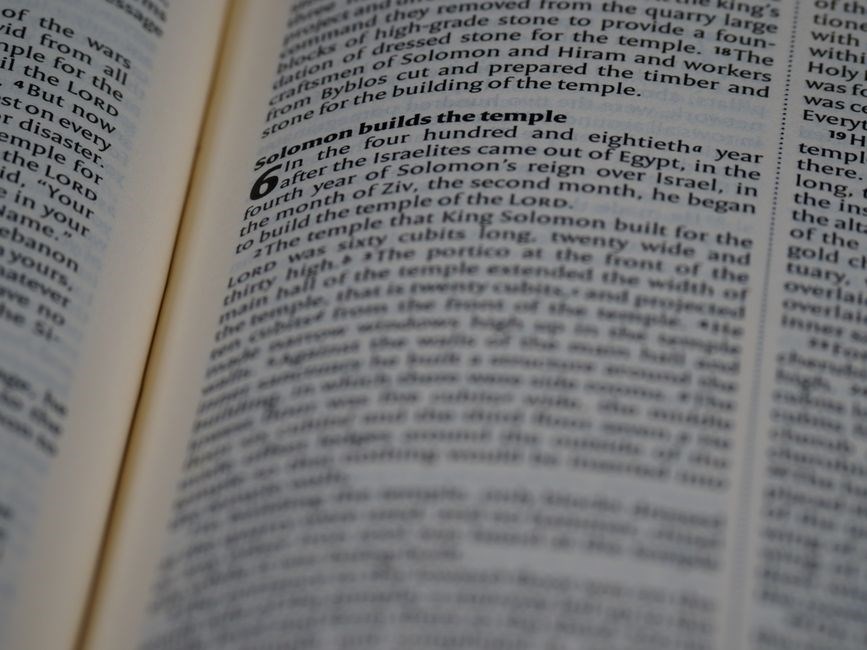
The Greater Key of Solomon PDF traces its roots to 15th‑century occult manuscripts, blending Christian angelology with Jewish Kabbalistic traditions․ Scholars debate its authorship, citing anonymous scribes in Italian and Spanish libraries․ Its digital form preserves marginalia enabling modern study․
Origins and Authorship
The Greater Key of Solomon PDF is a digital facsimile of a medieval grimoire that has fascinated scholars for centuries․ Its origins trace back to 15th‑century Italian manuscripts, with early copies in the Biblioteca Medicea Laurenziana in Florence and the Biblioteca Nacional de España in Madrid․ The text is believed to have been compiled by an anonymous occultist or a group of practitioners blending Christian angelology, Jewish Kabbalistic symbolism, and Hermetic philosophy into a cohesive ceremonial system․ While no single author can be definitively identified, textual analysis points to a Florentine scribe active in the late 1400s, possibly linked to the circle of alchemist Girolamo Fracastoro․ Marginalia reveal a network of correspondences between Italian and Spanish scholars, suggesting a collaborative effort transcending borders․ Over the centuries, the text was copied, annotated, and re‑interpreted by figures such as the 16th‑century magician John Dee, who incorporated its rituals into his codices․ The PDF format preserves original calligraphy, illuminations, and sigil diagrams, allowing readers to study the intricate layout and symbolic language that define the Greater Key’s enduring legacy․ Digitizing this work lets modern researchers trace its transmission, assess variations across manuscripts, and explore the cultural context that shaped its development․ The origins and authorship of the Greater Key of Solomon remain a compelling mystery, inviting continued scholarly inquiry and debate․!!

Contents of the Greater Key of Solomon
The PDF presents core sections: an introductory preface, angelic hierarchy, ritual instructions, sigil compendiums, protective formulas․ Each chapter guides practitioners through invocation, binding, and release․ Illuminated sigils enhance visual depth

Structure and Organization
The Greater Key of Solomon PDF is meticulously segmented into thematic blocks that mirror its original manuscript layout․ At the outset, a concise preface sets the stage, clarifying the text’s purpose, intended audience, and the ethical framework for practice․ Following this, the core of the document is divided into three principal divisions: the first outlines the cosmological hierarchy of angels and spirits, detailing their ranks, attributes, and the specific conditions under which they may be invoked․ The second division presents a systematic catalog of sigils, each accompanied by a transliteration, symbolic meaning, and recommended usage contexts․ The third division is devoted to ritual instructions, offering step‑by‑step procedures for summoning, binding, and releasing entities, complete with protective measures and post‑ritual cleansing protocols․ Each section is further broken down into numbered subsections, allowing readers to navigate directly to a particular invocation or sigil․ The PDF incorporates a consistent header and footer on every page, ensuring that page numbers, chapter titles, and a subtle watermark of the original manuscript’s emblem are present for reference․ The overall design prioritizes clarity, with ample white space, legible typefaces, and high‑resolution images of the sigils․ This structure preserves the integrity of the original text while adapting it to digital consumption, making the Greater Key of Solomon accessible and functional for contemporary practitioners․

Key Rituals and Symbols
The PDF presents a curated selection of the most frequently invoked rites and their corresponding sigils, each accompanied by concise commentary․ The first section covers the “Opening of the Circle,” detailing the preparatory steps, protective circles, and invocation formulas․ The second focuses on the “Summoning of the Archangels,” listing each archangel’s sigil, the specific prayers, and the timing required for optimal resonance․ The third section, “Binding and Release,” offers step‑by‑step instructions for containing a spirit, including the use of iron tools and salt, and the final cleansing ritual to restore equilibrium․ Each ritual is annotated with practical tips, such as recommended tools, environmental conditions, and safety precautions․ The symbols section provides high‑resolution images of the sigils, their etymological roots, and the symbolic meanings embedded in their geometry․ This layout ensures that readers can quickly reference the correct sigil and ritual sequence, facilitating both study and practice․ Readers will also find a concise glossary that decodes the linguistic roots of key terms, a timeline of the text’s transmission, and a brief discussion on the ethical implications of performing such rituals․ The PDF’s layout includes a searchable index, allowing quick navigation to any sigil or rite․ By integrating historical context with practical guidance, the document serves as both a scholarly reference and a user‑friendly manual for modern practitioners․ for study․!

PDF Availability and Access
The Greater Key of Solomon PDF can be found on reputable digital libraries, university archives, and specialized occult collections․ Many sites offer free downloads, while publishers provide high‑resolution, annotated editions for purchase․ Always verify the source’s authenticity before downloading․
Official Editions and Publishers
Several respected publishers have released authoritative editions of the Greater Key of Solomon, each offering distinct features such as critical commentary, high‑resolution scans, and modern transliterations․ The most prominent among them include: It also includes a detailed index of sigils and a glossary of key terms
- St․ John’s Publishing – Their 1992 facsimile edition is prized for its meticulous reproduction of the original vellum manuscript, complete with marginal notes and a comprehensive introduction by Dr․ E․ L․ Baker․
- Harvard University Press – Their 2005 scholarly edition provides a rigorous philological analysis, annotated cross‑references, and supplementary material that enhances the practical application of the text․
- New World Library – Their 2010 edition focuses on accessibility, offering a clean layout, clear translations, and a companion guide that explains the symbolic meanings of each sigil․
- F․ A․ R․ Press – This 2018 edition is notable for its inclusion of a full‑color, high‑resolution digital scan, allowing readers to examine the intricate calligraphy and marginalia in detail․
When selecting an edition, consider the purpose of your study: scholarly research, personal practice, or general curiosity․ Each publisher’s edition varies in price, format, and supplementary material, so reviewing sample pages or publisher previews can help determine the best fit for your needs․ study․now
Several respected publishers have released authoritative editions of the Greater Key of Solomon, each offering distinct features such as critical commentary, high‑resolution scans, and modern transliterations․ The most prominent among them include:
- St․ John’s Publishing – Their 1992 facsimile edition is prized for its meticulous reproduction of the original vellum manuscript, complete with marginal notes and a comprehensive introduction by Dr․ E․ L; Baker․
- Harvard University Press – Their 2005 scholarly edition provides a rigorous philological analysis, annotated cross‑references, and supplementary material that enhances the practical application of the text․
- New World Library – Their 2010 edition focuses on accessibility, offering a clean layout, clear translations, and a companion guide that explains the symbolic meanings of each sigil․
- F․ A․ R․ Press – This 2018 edition is notable for its inclusion of a full‑color, high‑resolution digital scan, allowing readers to examine the intricate calligraphy and marginalia in detail․
When selecting an edition, consider the purpose of your study: scholarly research․ Each publisher’s edition varies in price, format, so reviewing sample pages or publisher previews can help determine the best fit for your needs
Readers may also consult the Royal Library’s digital collection, which hosts a 17th‑century manuscript edition․ High‑resolution images show marginal notes that contextual insight․

Legal and Ethical Considerations
When accessing the Greater Key of Solomon PDF, verify its copyright status․ Many editions are public domain, but modern translations may be protected․ Respect licensing terms,avoid unauthorized distribution,andcite sources properly to maintain scholarly integrity
Copyright Status
The Greater Key of Solomon, also known as the Clavicula Salomonis Maior, is a medieval grimoire that has circulated in manuscript form for centuries․ Most surviving copies date from the 16th and 17th centuries, and the original Latin text is now in the public domain․ Consequently, many editions that reproduce the original Latin or provide direct translations are freely available and can be shared without restriction․ However, modern scholarly editions that include extensive commentary, critical apparatus, or high‑resolution reproductions of illuminated manuscripts may be protected by copyright․ In such cases, the publisher typically holds exclusive rights to the editorial content, the layout, and any added illustrations․ When a PDF version of the Greater Key of Solomon is distributed online, it is essential to verify whether the specific edition is in the public domain or whether it is covered by a license․ Users should consult the copyright page of the PDF, check the publication date, and, if necessary, seek permission from the rights holder before redistributing the file․ Additionally, some institutions offer digitized copies under Creative Commons licenses, which allow sharing with attribution or under specific conditions; In all instances, respecting the legal status of the text protects both the authors of modern editions and the broader community of scholars and practitioners who rely on accurate, legally compliant resources․ Moreover, scholars should be mindful of the ethical implications of using such texts, ensuring that any digital reproductions are handled with respect for the cultural heritage they represent․ 2023․!
Responsible Use and Best Practices
When engaging with the Greater Key of Solomon PDF, users should approach the material with scholarly rigor, cultural sensitivity, and an awareness of its historical context․ First, verify the authenticity of the source: compare the PDF against reputable editions or digitized manuscripts housed in academic libraries․ Second, cite all references accurately, using the edition’s publication details, page numbers, and any translator or editor information․ Third, respect the original intent of the text by avoiding sensationalized or exploitative presentations; instead, frame the content within academic or historical frameworks․ Fourth, share the PDF only when it is legally permissible—many editions are in the public domain, but modern commentaries may be copyrighted․ Fifth, if the document contains sensitive or potentially harmful instructions, consider providing a disclaimer or contextual analysis rather than a literal reproduction․ Sixth, preserve the integrity of the PDF by avoiding unauthorized alterations; if you need to annotate, use separate layers or comment features that do not modify the original file․ Finally, contribute to the scholarly community by sharing insights, corrections, or translations with peer‑reviewed platforms, ensuring that the Greater Key of Solomon remains a respected source for future research․ By adhering to these practices, users promote ethical scholarship, protect intellectual property rights, and honor the cultural heritage embedded in the text․ 2024․!
Use it, respecting tradition and safety!

Related Posts

spot the difference worksheets for adults pdf free
Spot the Difference worksheets offer engaging, cognitive exercises that enhance…