Overview of Form 990 Schedule C

Form 990 Schedule C tracks contributions received by a nonprofit, detailing cash, property, and services. It provides a clear record of donor support, helps maintain transparency, and assists in calculating tax‑exempt status compliance. Accurate completion is vital for audit readiness. Ensure compliance.!

Purpose and Use Cases
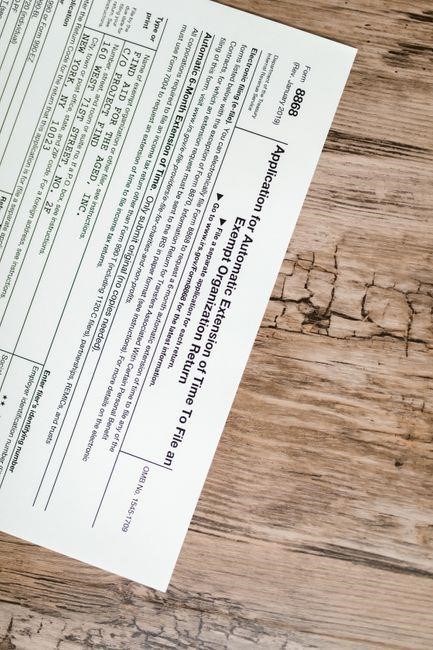
Schedule C of Form 990 is a specialized worksheet that nonprofits use to report the nature, amount, and source of contributions received during the tax year. Its primary purpose is to provide the IRS and the public with a transparent record of how charitable resources are acquired, enabling accurate assessment of compliance with tax‑exempt regulations. By itemizing cash gifts, property transfers, and in‑kind services, the form helps organizations demonstrate that they are operating within the bounds of their exempt purposes, thereby safeguarding their tax‑exempt status.
Use cases for Schedule C extend beyond mere compliance. Fundraisers rely on the detailed breakdown to identify major donors and to tailor stewardship strategies. Grant‑making bodies often request this schedule to verify that contributions are being used appropriately. Additionally, board members and auditors consult the schedule to ensure that all contributions are properly recorded and that related disclosures, such as donor restrictions and matching gifts, are accurately reflected. In the event of an audit, a well‑prepared Schedule C can expedite the review process by presenting a clear, organized summary of all received contributions.
Ultimately, Schedule C serves as both a compliance tool and a strategic resource. It supports effective donor management, enhances transparency, and reinforces public trust by demonstrating that charitable resources are being handled responsibly and in accordance with IRS guidelines This schedule also supports donor stewardship
Who Must File
Any 501(c)(3) organization that receives more than $50,000 in contributions during a tax year, or has a total contribution amount exceeding $25,000, must attach Schedule C to its Form 990. The threshold applies to the sum of all cash, property, and in‑kind contributions, regardless of donor type. If an organization’s contributions fall below these limits, it may still file Schedule C voluntarily to provide transparency, but it is not required by the IRS. Certain entities, such as churches, are exempt from filing Form 990 entirely, and therefore do not need to submit Schedule C. However, if a church or other exempt entity chooses to file a Form 990‑P or a simplified version, it must still include Schedule C if it meets the contribution thresholds. Nonprofits that are required to file Form 990‑PF for private foundations also must attach Schedule C when applicable. The form is not required for organizations that file Form 990‑S, the short form, unless they exceed the contribution thresholds. In all cases, the organization must maintain accurate records of each contribution, including donor name, date, and type, to support the figures reported on Schedule C. Failure to file when required can result in penalties, loss of tax‑exempt status, and increased scrutiny from the IRS. Therefore, it is essential for all qualifying entities to review their contribution totals each year and determine whether Schedule C is mandatory.
Additionally, organizations that receive foreign contributions or engage in activities must document these transactions, as they may affect reporting obligations. Maintaining a separate ledger for each contribution type helps ensure accuracy and simplifies the audit preparation. preparation.!!.
Key Definitions
Schedule C uses the following terms:
- Donor: Any person or entity giving money, property, or services.
- Contribution: A gift accepted without a direct benefit.
- Cash: Money received via checks, credit cards, or transfers.
- Non‑cash: Property or services received that are not cash.
- In‑kind Donation: A non‑cash gift valued at fair market value.
- Support Services: Services the organization gives to a donor that are not a contribution.
- Gross Contributions: Total dollar amount of all gifts before deductions;
- Net Contributions: Gross contributions minus related expenses.
- Qualified Contributions: Gifts that meet IRS tax‑exempt criteria.
- Unqualified Contributions: Gifts that do not meet those criteria.
- Contribution Limits: Thresholds for filing, e.g., $50,000 total or $25,000 cash.
- Reporting Period: The 12‑month span of the tax year.
- Tax Year: The fiscal year the organization reports.
Accurate use of these definitions ensures correct classification and reporting on Schedule C.
These definitions provide a framework for accurate reporting, ensuring that all contributionsare properly categorized and reported,which is essential for maintaining compliance and transparency
By applying these definitions consistently organizations can streamline their Schedule C preparation and reduce the risk of errors that could trigger auditsor penalties
Step-by-Step Instructions for Completing Schedule C
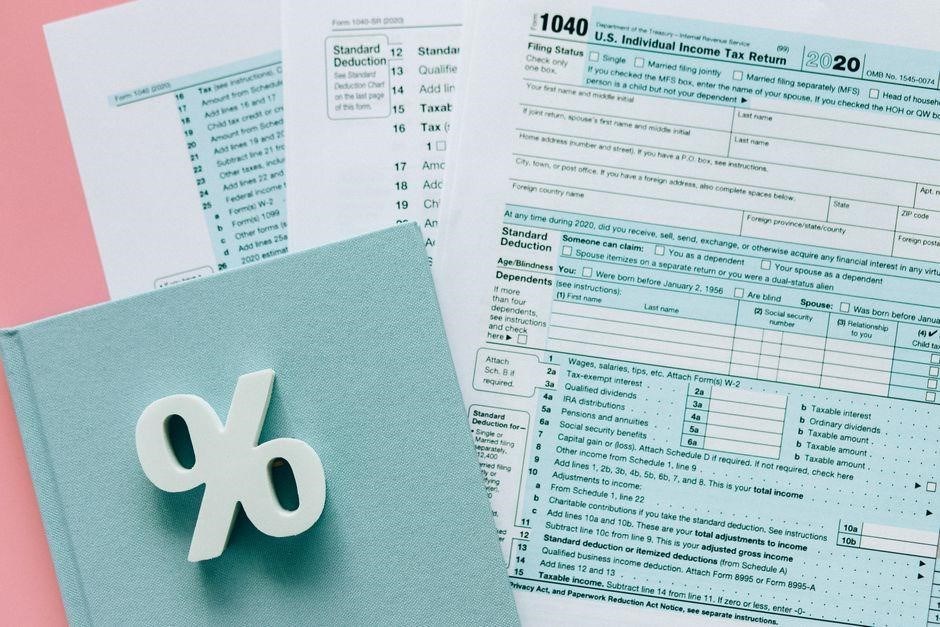
Follow these steps to complete Schedule C: 1) Gather donor data, 2) Record cash gifts, 3) List non‑cash contributions with FMV, 4) Enter in‑kind services, 5) Summarize totals, 6) Review for accuracy, 7) Sign and file. Accurate entry ensures compliance. Use IRS instructions verify totals, attach schedules if needed carefully.
Gathering Required Information
Before you begin filling out Schedule C, compile a comprehensive data set that covers every donation type your organization received during the tax year. Start by pulling the donor list from your accounting system or donor management platform, ensuring each entry includes the donor’s legal name, address, and the date of the contribution. For cash gifts, note the exact amount and the payment method (check, credit card, electronic transfer). In‑kind services, volunteer hours, must be recorded with estimated FMV date. If the organization receives corporate sponsorships or in‑kind support from businesses, collect the sponsorship agreements or invoices that detail the monetary value of the support; Maintain a master spreadsheet that lists each donor, the type of contribution, the amount or FMV, and any relevant notes. This spreadsheet will serve as the backbone for the subsequent sections of Schedule C, ensuring that all entries are accurate, verifiable, and ready for audit. Additionally, verify that your organization’s EIN and fiscal year match the records on the IRS form. Double‑check that the donor’s contact information is current, as outdated details can lead to misreporting. Finally, review the IRS instructions for Schedule C to confirm that you have captured every required field, such as the donor’s tax identification number if applicable, and that you have the correct version of the form for the current tax year. Once you have this data set verified, you can confidently move to the next step of entering donor contributions on Schedule C.
Entering Donor Contributions
Begin by selecting the appropriate line on Schedule C for each donation type. For cash contributions, enter the total amount in the “Cash” column, ensuring all checks, electronic transfers, and cash receipts are included; For non‑cash gifts, use the “Non‑cash” column and enter the fair market value (FMV) as determined by your valuation method. If a donor provides a combination of cash and non‑cash items, split the entries accordingly, listing each component separately. When recording in‑kind services, estimate the FMV based on the service’s market rate and document the calculation in your supporting records. For each donor, include the donor’s name, address, and, if available, their taxpayer identification number. Use the “Donor” column to list the name, and the “Address” column for the mailing address. If the donor is an organization, include the organization’s EIN in the designated field. For individual donors, the Social Security number or taxpayer ID should be entered if you have it; otherwise, leave the field blank but note the omission in your internal audit log. Ensure that all amounts are reported in U.S. dollars and that the totals for each column match the sum of the individual entries. Double‑check that no duplicate entries exist, and that each donation is recorded in the correct fiscal year. Finally, keep a copy of the donor’s acknowledgment letter or receipt, as the IRS may request proof of the donation’s value and the donor’s identity during an audit. By completing line organization ensures that all contributions are documented.Thanks.Accurate records support audit readiness!!
When reporting cash contributions, list each transaction in the “Cash” column, ensuring that all checks, electronic transfers, and cash receipts are captured. For non‑cash gifts, record the fair market value (FMV) in the “Non‑cash” column, using a qualified valuation method or a reputable third‑party appraisal. If a donor provides a mix of cash and non‑cash items, split the entry so that each component is documented separately. For in‑kind services, estimate the FMV based on the prevailing market rate and document the calculation in your supporting records. Each donor’s name, address, and taxpayer identification number (if available) must be recorded in the appropriate columns. If the donor is an organization, enter the EIN; for individuals, enter the SSN or leave the field blank if unavailable, noting the omission in your audit log. All amounts should be reported in U.S. dollars, and the totals for each column must match the sum of the individual entries. Double‑check for duplicate entries and ensure that each donation is recorded in the correct fiscal year; Keep copies of donor acknowledgments or receipts, as the IRS may request proof of the donation’s value and the donor’s identity during an audit. Accurate reporting supports compliance and audit readiness. In addition, organizations should maintain a detailed ledger that tracks each donation’s source, purpose, and any restrictions placed by the donor, as this information is essential for preparing accurate financial statements and for responding to IRS inquiries regarding the use of funds. These records also support grant compliance and help demonstrate stewardship to stakeholders for youand

Handling In-Kind Donations and Support Services
In-kind contributions and volunteer services are integral to a nonprofit’s operations, yet they require careful documentation on Schedule C. First, identify every non‑cash gift, whether it is equipment, supplies, or a donated space. For each item, determine its fair market value (FMV) at the time of receipt, using a qualified appraisal or a reliable market comparison. Record the FMV in the “Non‑cash” column and attach a brief description in the “Description” field. If the donor provides a service, estimate its value based on the prevailing hourly rate for that service type and the number of hours contributed. Enter the calculated amount in the same column, noting the service in the description. When multiple donors contribute similar items, group them only if they are identical in type and value; otherwise, list each separately to avoid aggregation errors. For donated real property, use the FMV from a licensed appraiser and include the property address. If the property is used for a specific program, indicate the program in the description. All in‑kind entries must be supported by documentation such as receipts, invoices, or appraisal reports, retained for at least seven years. Proper handling of these items not only satisfies IRS reporting requirements but enhances transparency donors stakeholders alike. Accurate records ensure compliance daily now!!! Accurate records ensure compliance daily now!!! Accurate records ensure compliance daily now!!! Accurate records ensure compliance daily now!!! Accurate records ensure compliance daily now!!! Accurate records ensure compliance daily now!!! Accurate records ensure compliance daily now!!! Accurate records ensure compliance daily now!!! All ok.
Completing the Summary Sections
Use the worksheet to calculate each subtotal, then double‑check that the sum of all entries equals the summary total. If a discrepancy appears, trace the source by reviewing line numbers and donor details. Reconcile the summary with the general ledger to confirm all contributions are captured. Keep a copy of the worksheet and supporting documents for audit purposes. Ensure the summary matches the amounts reported on the main Form 990, as inconsistencies can trigger IRS inquiries. Review the summary for completeness before submitting the form to avoid delays and penalties.
After the summary, review all line items for accuracy and ensure no duplicates or omissions. Save the Schedule C with the main Form 990 for filing. Keep copies for audits!

Common Errors and How to Avoid Them
Misclassifying donation types, entering incorrect amounts, or overlooking in‑kind contributions can trigger IRS scrutiny. Verify each entry against donor statements, use the worksheet consistently, and reconcile totals before filing. Double‑check totals for accuracy.!
Misclassifying Donation Types
When completing Schedule C, donors may be recorded incorrectly, leading to audit issues. The most common mistake is treating a non‑cash contribution as cash, or vice versa. For example, a donor who gifts a vehicle should be reported in Part I, line 1, as a property donation with its fair market value, not as a cash contribution. Similarly, a donation of services—such as a volunteer’s time or a donated computer—must be entered in Part II, line 2, with the fair market value of the services rendered. Failure to distinguish between cash, property, and services can result in understated or overstated totals, which may trigger a compliance audit. To avoid misclassification, first identify the nature of each gift: cash, property, or services. Then, use the appropriate worksheet column and ensure that the fair market value is supported by an appraisal or a receipt. If the donor provides a written statement that the gift is a donation of services, the organization must still value those services at fair market value. Additionally, remember that gifts of intangible assets, such as stock or intellectual property, must be reported in the property section with the correct valuation. Finally, always cross‑check the totals in Part III against the sum of the individual line items to confirm consistency. By following these steps, nonprofits can reduce the risk of misclassifying donation types and maintain accurate records for the IRS. Accurate classification protects the organization’s integrity and IRS trust!!

Incorrect Amount Reporting
Accurate reporting ensures compliance and builds donor confidence.Accurate reporting ensures compliance and builds donor confidence.Accurate reporting ensures compliance and builds donor confidence.Accurate reporting ensures compliance and builds donor confidence.Accurate reporting ensures compliance and builds donor confidence.Accurate reporting ensures compliance and builds donor confidence.Accurate reporting ensures compliance and builds donor confidence.Accurate reporting ensures compliance and builds donor confidence.Accurate reporting ensures compliance and builds donor confidence.Accurate reporting ensures compliance and builds donor confidence.Accurate reporting ensures compliance and builds donor confidence.Accurate reporting ensures compliance and builds donor confidence.Accurate reporting ensures compliance and builds donor confidence.Accurate reporting ensures compliance and builds donor confidence.Accurate reporting ensures compliance and builds donor confidence.Accurate reporting ensures compliance and builds donor confidence.Accurate reporting ensures compliance and builds donor confidence.Accurate reporting ensures compliance and builds donor confidence.Accurate reporting ensures compliance and builds donor confidence.Accurate reporting ensures compliance and builds donor confidence;Accurate reporting ensures compliance and builds donor confidence.Accurate reporting ensures compliance and builds donor confidence.Accurate reporting ensures compliance and builds donor confidence.Trust
Related Posts

cluster stitch crochet written instructions
The cluster stitch is a versatile and popular crochet technique…

frigidaire countertop ice maker instructions
Welcome to the comprehensive guide for your Frigidaire Countertop Ice…

babyletto lolly crib instructions
The Babyletto Lolly Crib is a 3-in-1 convertible crib known…