Ski Goggle Lens Colour Guide ‒ Article Plan (03/16/2026 07:55:22)
This guide details selecting ski goggle lenses based on VLT and colour. Understanding these factors ensures optimal vision, safety, and enjoyment on the slopes, regardless of conditions.
Choosing the correct ski goggle lens colour is crucial for visibility and safety. Different tints impact how you perceive terrain, adapting to varying light and weather conditions on the mountain.
Why Lens Colour Matters
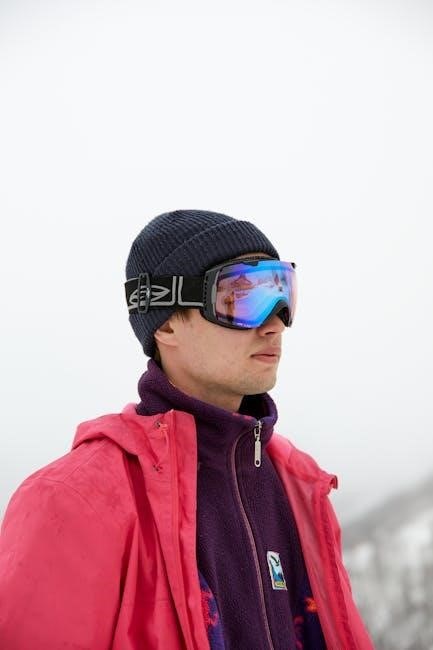
Lens colour significantly impacts your skiing experience, extending beyond mere aesthetics. Each tint alters how you perceive the mountain, influencing contrast, depth perception, and overall visibility. Selecting the appropriate colour for the prevailing conditions isn’t just about comfort; it’s about safety and performance.
A poorly chosen lens can lead to reduced visibility, potentially obscuring hazards like icy patches or changing terrain. For instance, a dark lens on a cloudy day can make it difficult to discern details, while a light lens in bright sunlight can cause glare and eye strain. The right lens colour enhances your ability to react to the environment, allowing for confident and controlled skiing or snowboarding.
Ultimately, understanding how different colours filter light and affect your vision empowers you to make informed decisions, ensuring a more enjoyable and secure time on the slopes. It’s about optimizing your visual experience to match the specific challenges presented by the mountain.
The Importance of Visible Light Transmission (VLT)
Visible Light Transmission (VLT) is a crucial metric when choosing ski goggles, representing the percentage of light that passes through the lens to your eyes. It’s the primary factor determining how well you can see in different weather conditions. A higher VLT means more light reaches your eyes, ideal for low-light situations, while a lower VLT reduces light, suited for bright, sunny days.
VLT isn’t solely determined by lens colour; it’s also affected by lens thickness, coatings, and the material itself. Understanding VLT allows you to select a lens that provides optimal clarity and comfort, preventing eye strain and maximizing visibility. Ignoring VLT can lead to compromised vision, increasing the risk of accidents.
Essentially, VLT acts as a guide to matching your goggle lens to the specific light conditions you’ll encounter on the mountain, ensuring a safe and enjoyable experience.
Understanding VLT Percentages
VLT percentages categorize lenses based on their light transmission capabilities, guiding skiers towards the appropriate choice for various conditions. Category 1 lenses, with 80-100% VLT, are best for very low light – think heavily overcast days or nighttime skiing – maximizing visibility when light is scarce. Category 2 lenses (60-80%) suit cloudy or overcast conditions, enhancing contrast and detail.
Moving up, Category 3 lenses (43-60%) are versatile for partially sunny days, offering a balance between brightness and clarity. Finally, Category 4 lenses (3-8%) are designed for bright sunlight, minimizing glare and protecting your eyes from intense UV radiation.
It’s important to note that many skiers benefit from having multiple lenses to adapt to changing conditions. Goggles with interchangeable lenses provide this flexibility, ensuring optimal vision throughout the day.

Lens Colour Options & Conditions
Different lens colours excel in specific weather scenarios, impacting contrast, visibility, and overall performance on the mountain. Choosing wisely enhances your skiing experience.
Grey Lenses: All-Round Versatility
Grey lenses are the quintessential all-rounder in the world of ski goggles, offering exceptional versatility across a broad spectrum of conditions. They function by reducing overall brightness without distorting colours significantly, providing a truly natural viewing experience. This makes them an excellent choice for skiers who frequently encounter varying light conditions throughout the day.
These lenses excel in partially sunny and overcast conditions, delivering consistent performance without being overly specialized. They don’t enhance contrast like some other tints, but their balanced approach makes them suitable for a wide range of skiers and snowboarders. Just enough tint is provided to shield your eyes from the sun, while still allowing you to navigate shaded areas with ease.
Grey lenses are a fantastic starting point for anyone unsure which tint to choose, offering reliable performance and minimizing the need for frequent lens changes. They are a solid, dependable option for everyday skiing and riding.
Rose/Pink Lenses: Enhanced Contrast
Rose and pink lenses are celebrated for their ability to dramatically enhance contrast, making them a superb choice for days with flat light or variable conditions. They excel at filtering out blue light, which is often responsible for eye strain and reduced visibility in overcast weather. This filtering effect boosts the perception of depth and detail, allowing skiers and snowboarders to better navigate challenging terrain.
These lenses are particularly beneficial in snowy or foggy conditions, where contrast can be severely diminished. They make it easier to spot bumps, moguls, and other features on the slope, improving safety and performance. Rose/pink tints aren’t just for low-light days; they also perform well in partially sunny conditions, providing a comfortable and clear viewing experience.
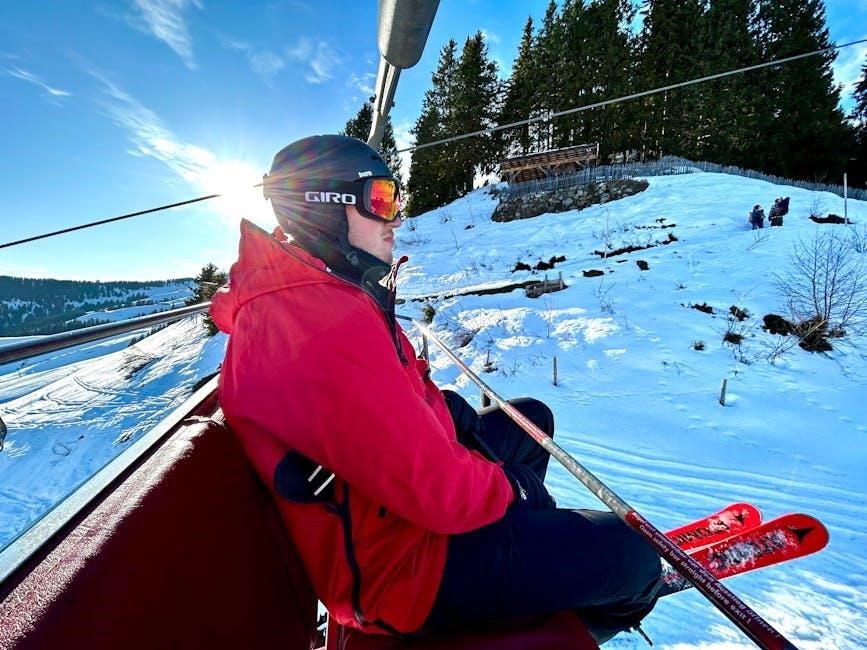
If you frequently ski in areas prone to flat light, rose or pink lenses are an invaluable addition to your goggle arsenal, offering a significant advantage in visibility and terrain recognition.
Yellow Lenses: Low-Light Specialists
Yellow lenses are the quintessential choice for extremely low-light conditions, such as heavily overcast days, snowfall, or even dusk skiing. They work by filtering out blue light, significantly increasing contrast and brightness in dim environments. This heightened contrast allows skiers and snowboarders to perceive terrain features more clearly, enhancing safety and performance when visibility is severely limited.
While incredibly effective in poor weather, it’s important to note that yellow lenses can distort colour perception. They aren’t ideal for bright, sunny days as they can cause eye strain and reduce visual clarity. However, for maximizing visibility when the light is minimal, yellow lenses are unmatched.
Many goggles with interchangeable lenses include a yellow lens as a dedicated low-light option. They are a must-have for skiers who frequently encounter challenging weather conditions, ensuring a safer and more enjoyable experience on the slopes.
Orange Lenses: Variable Conditions
Orange lenses strike a versatile balance, making them suitable for a wider range of conditions than many other tints. They excel in partially sunny and variable light, offering enhanced contrast and depth perception. This makes them a solid choice for days where the weather shifts frequently between sunshine and clouds.
Similar to yellow lenses, orange tints filter out blue light, boosting contrast. However, they do so to a lesser degree, resulting in less distortion of colour perception. This allows for more natural vision while still providing a significant improvement in clarity compared to clear lenses.
Orange lenses are a popular all-around option for skiers who prefer not to swap lenses constantly. They perform admirably in most conditions, offering a comfortable and reliable visual experience. They’re a great choice for those seeking a single lens that can handle a variety of weather scenarios.
Blue Lenses: Bright Sunlight & Glare Reduction
Blue lenses are specifically engineered for bright, sunny conditions and excel at minimizing glare. They achieve this by absorbing a high percentage of visible light, reducing eye strain and enhancing visual comfort in intense sunlight. This makes them an excellent choice for skiing at high altitudes or on snow-covered slopes where glare is particularly strong.
While effective at reducing glare, blue lenses can sometimes distort colour perception more noticeably than other tints. This is a trade-off for their superior glare-reducing capabilities. They offer a crisp, clear view, but colours may appear slightly muted or altered.
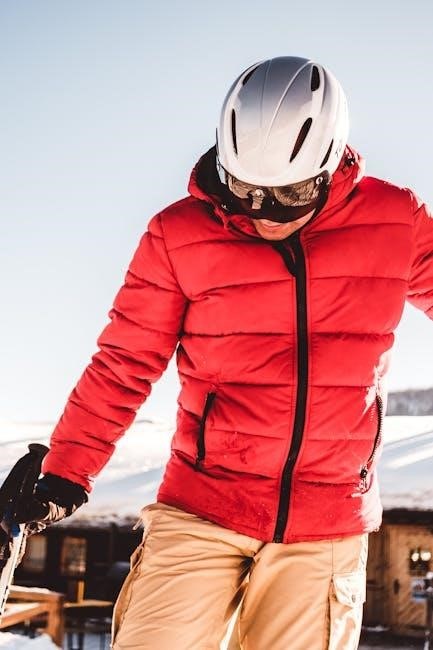
Blue lenses are often favoured by skiers who prioritize glare protection above all else; They’re a solid option for those who frequently ski in bright, sunny conditions and want to ensure optimal visual clarity and comfort. Consider them for days with intense sunlight and reflective snow.
Green Lenses: True Colour Perception
Green lenses are renowned for providing the most natural colour balance and accurate colour perception on the mountain. Unlike other tints that can distort colours, green lenses allow skiers to see the terrain as it truly is, enhancing depth perception and making it easier to identify changes in snow conditions.
This makes them a versatile option suitable for a wide range of weather conditions, from sunny days to overcast skies. They offer good contrast and clarity without significantly altering the natural colours of the environment. Green lenses are a particularly good choice for skiers who value accurate visual information.
They perform well in both bright and variable light, offering a balanced visual experience. If you prefer a natural view of the slopes and want to maintain accurate colour recognition, green lenses are an excellent choice.
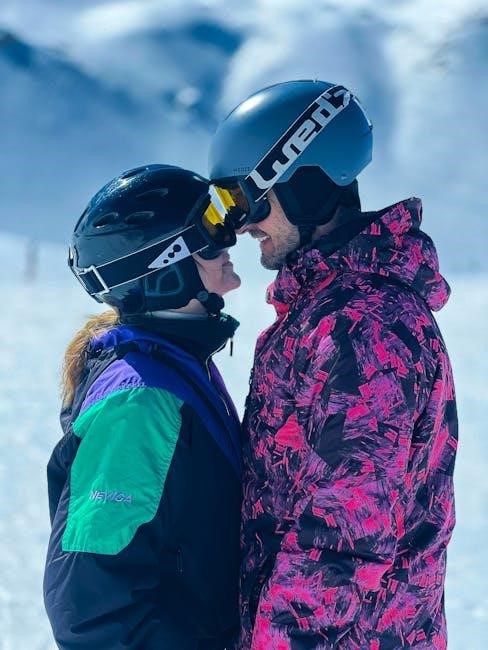
Specific Lens Colour Breakdown
This section dives into detailed characteristics of individual lens colours. We’ll explore black, mirrored, photochromic, and polarized lenses, outlining their strengths and ideal usage scenarios.
Black Lenses: Brightest Conditions
Black lenses are the go-to choice for the most intense sunlight and glare. Offering the lowest Visible Light Transmission (VLT), typically ranging from 3-8%, these lenses significantly reduce eye strain in exceptionally bright conditions. They excel on clear, sunny days at high altitudes where the sun’s rays are particularly strong.
However, it’s crucial to understand their limitations. Black lenses aren’t versatile; they can be too dark for cloudy or low-light situations, potentially hindering visibility. Skiing through trees or in shaded areas with black lenses can feel like looking through a heavily tinted filter, making it difficult to discern terrain features.
Therefore, black lenses are best suited for skiers and snowboarders who primarily ride in consistently bright, sunny conditions. They provide maximum protection against glare and UV rays, ensuring clear and comfortable vision when the sun is at its peak. Consider them a specialized tool for specific, high-brightness environments.
Mirrored Lenses: Reflection & Style
Mirrored lenses aren’t defined by a specific tint but by their reflective coating. This coating reduces glare by bouncing light away from the eyes, enhancing visual clarity in bright conditions. While offering a stylish aesthetic, the primary function of a mirrored lens is to minimize the intensity of sunlight.
The base lens colour underneath the mirror affects the VLT and overall performance. A mirrored silver lens on a grey base will offer similar benefits to standard grey lenses, while a mirrored orange lens will provide enhanced contrast. The mirror itself doesn’t change the VLT; it simply adds another layer of glare reduction.
Mirrored coatings can also offer some protection against scratches, though they aren’t scratch-proof. They’re a popular choice for skiers and snowboarders who want both functional performance and a visually appealing look on the mountain. Consider the underlying lens colour when choosing mirrored goggles to ensure they suit your typical conditions.
Photochromic Lenses: Adapting to Light
Photochromic lenses represent a convenient all-in-one solution for variable light conditions. These lenses automatically adjust their tint based on the intensity of UV light, darkening in bright sunlight and becoming clearer in low light. This eliminates the need to swap lenses throughout the day, offering seamless vision adaptation.
The technology involves silver halide crystals embedded within the lens material. When exposed to UV radiation, these crystals react, causing the lens to darken. The speed of this transition varies between brands and lens quality, with faster transitions being preferable.
While incredibly versatile, photochromic lenses may not react as quickly as swapping lenses manually. They also might not get as dark as a dedicated dark-tinted lens in extremely bright conditions. However, for skiers who encounter frequently changing light, they provide a significant advantage in convenience and adaptability on the slopes.
Polarized Lenses: Reducing Glare
Polarized lenses are specifically designed to minimize glare reflected off surfaces like snow and ice. This glare can cause eye strain, fatigue, and reduced visibility, especially on bright, sunny days. Polarization achieves this by filtering horizontal light waves, which are the primary source of reflected glare.
The process involves a special filter embedded within the lens that blocks these horizontal waves, allowing only vertical light to pass through. This results in sharper contrast, enhanced clarity, and a more comfortable viewing experience. Polarized lenses are particularly beneficial in conditions where glare is prominent, such as on freshly fallen snow or near water.
However, it’s worth noting that polarized lenses can sometimes interfere with the LCD displays found in some ski lift information panels. Despite this minor drawback, the glare reduction benefits often outweigh this potential inconvenience for many skiers and snowboarders.
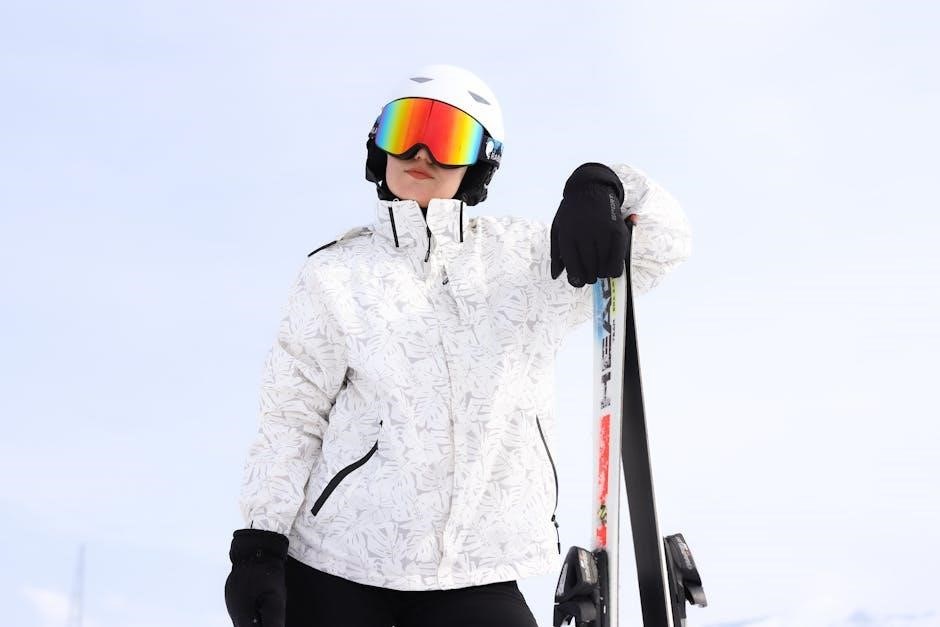
VLT Categories Explained
VLT categories classify lenses by how much light they transmit. These range from very low (Category 1) for dark conditions to very bright (Category 4), guiding optimal lens selection.
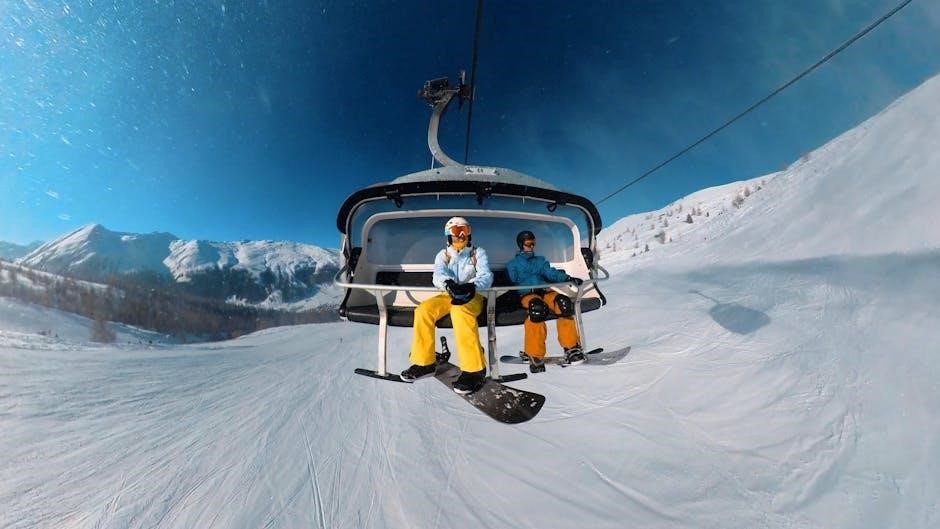
VLT Category 1: Very Low Light (80-100%)
Category 1 lenses are designed for extremely low-light conditions, boasting a VLT of 80-100%. Think heavily overcast days, blizzard conditions, or even night skiing. These lenses maximize light transmission, allowing you to see clearly when visibility is severely limited. They’re essentially the opposite of sunglasses, prioritizing sight over sun protection.
Because they let in so much light, Category 1 lenses are typically clear or have a very slight tint, often yellow or rose. This enhances contrast in flat light, making it easier to discern terrain features and obstacles. While excellent for visibility, they offer minimal protection from glare and are not suitable for bright conditions. Goggles with these lenses are ideal for those who frequently ski in challenging weather or prefer to ski later in the day when light fades. They are often paired with other lenses for versatility.
VLT Category 2: Cloudy/Overcast (60-80%)
VLT Category 2 lenses strike a balance, offering 60-80% Visible Light Transmission, making them perfect for cloudy or overcast days. These lenses enhance contrast and brightness without sacrificing too much protection from glare. They’re a versatile option for variable conditions where the sun might occasionally peek through the clouds.
Typically, Category 2 lenses feature amber, rose, or light grey tints. Amber and rose tints excel at boosting contrast, helping you navigate flat light and identify changes in snow texture. Light grey provides a more neutral view while still offering improved visibility compared to brighter-condition lenses; These are often included as a secondary lens with goggles that come with multiple options. They’re a solid choice for all-mountain skiers who encounter a mix of weather conditions throughout the day, providing a noticeable improvement in visibility when the sun isn’t shining brightly.
VLT Category 3: Partially Sunny (43-60%)
Category 3 lenses, with a VLT of 43-60%, are the most versatile choice for partially sunny conditions – the most common scenario on the slopes. They provide a good balance between brightness and protection, making them suitable for a wide range of weather. These lenses reduce eye strain without overly darkening your vision, allowing you to comfortably ski or snowboard throughout the day.
Common tints within this category include grey, brown, and rose gold. Grey lenses offer a true colour perception, while brown enhances contrast, particularly useful for spotting bumps and changes in terrain. Rose gold provides excellent contrast and colour definition, making it a popular choice for all-mountain skiers. This category is often considered the “go-to” lens for many skiers, offering reliable performance in varying light conditions. They’re a great starting point if you’re unsure which lens to choose, providing a solid all-around experience.
VLT Category 4: Bright Sunlight (3-8%)
Category 4 lenses, boasting a VLT of just 3-8%, are specifically designed for the brightest, most intense sunlight conditions – think high-altitude skiing on a clear, sunny day or glacier travel. These lenses offer maximum protection against glare and harmful UV rays, significantly reducing eye strain and fatigue. They are the darkest lenses available and are not suitable for low-light conditions, as they severely limit visibility.
Typically, Category 4 lenses are found in dark grey or black tints. These colours effectively block out a significant amount of light, preventing glare from snow and ice. While providing exceptional protection, it’s crucial to understand that these lenses can make it difficult to see in shaded areas or during rapidly changing weather. They are best reserved for consistently bright conditions where maximum eye protection is paramount. Using these lenses on cloudy days can be dangerous due to severely reduced visibility.
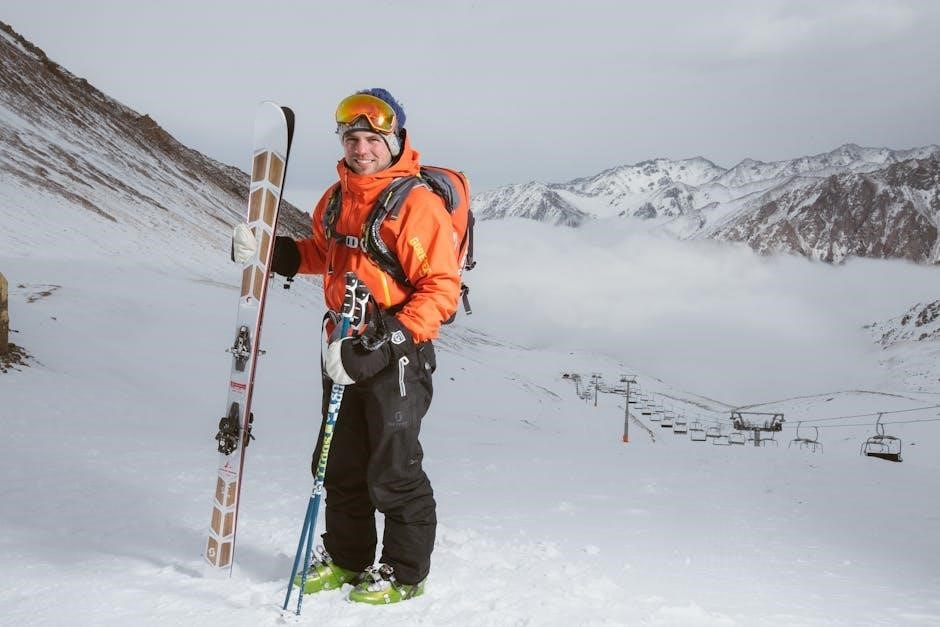
Choosing the Right Lens for Your Needs
Selecting the ideal lens depends on typical conditions, personal preference, and versatility. Interchangeable lenses offer adaptability, while coatings enhance performance and protection.
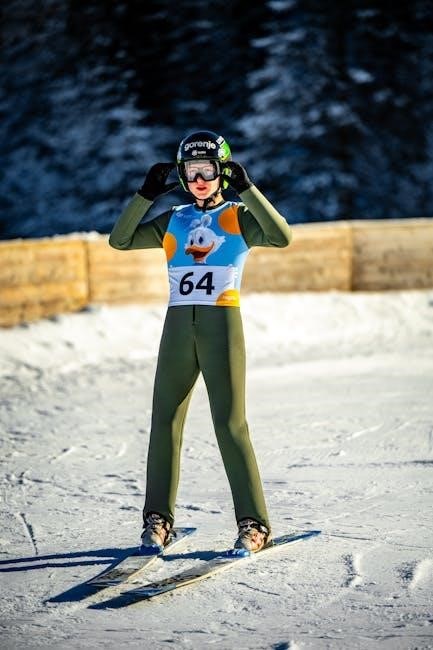
Considering Your Typical Skiing Conditions
Before investing in ski goggles, honestly assess your usual skiing environment. Do you primarily ski on bright, sunny days with consistent glare, or are you more often facing cloudy, overcast conditions? Perhaps you enjoy a mix of both, or frequently venture into tree lines where light levels fluctuate dramatically.
If you’re a fair-weather skier who spends most of your time above the tree line in sunny resorts, a darker lens with low VLT is ideal. Conversely, if you favour skiing on grey days or in heavily wooded areas, a lighter lens with high VLT will significantly improve visibility;
Consider altitude too; higher elevations mean more intense sunlight. If you travel to different resorts with varying conditions, prioritizing versatility is key. Thinking about these factors will narrow down your choices and ensure you select a lens that optimizes your vision and enjoyment on the slopes.
Interchangeable Lenses: The Best of Both Worlds
For skiers who encounter a wide range of conditions, interchangeable lens goggles represent the ultimate solution. These goggles allow you to quickly and easily swap lenses to adapt to changing light levels throughout the day, or even during a single run as weather shifts.
Investing in a goggle with multiple lenses – typically one for bright conditions and another for low light – provides unparalleled versatility. Many goggles come as kits including lenses for various conditions. This eliminates the need to purchase multiple pairs of goggles, saving both money and space.
The swapping process is usually straightforward, involving a simple clip-in or release mechanism. Being prepared with the correct lens ensures optimal vision and safety, regardless of the weather. It’s a smart investment for serious skiers and snowboarders.
Lens Coatings: Additional Benefits
Beyond colour and VLT, lens coatings significantly enhance performance and protection. Anti-fog coatings are crucial, preventing condensation build-up that obstructs vision in cold temperatures and during exertion. These coatings create a clear view, even when breathing heavily.
Another beneficial coating is anti-scratch, protecting the lens surface from abrasions caused by snow, ice, or accidental contact; This extends the lifespan of your goggles and maintains optical clarity. Reflective coatings, often found on mirrored lenses, reduce glare and eye strain in bright sunlight.
Hydrophobic coatings repel water, causing it to bead up and roll off the lens, further improving visibility in wet conditions. Consider these coatings when selecting goggles for optimal performance and longevity on the mountain.
Related Posts

firefighter exam study guide
Understanding the Firefighter Exam Structure The firefighter exam typically includes…